



How to Choose a Sofa for an Open-Plan Living Space
To make an open-plan space work, divide it into distinct zones for cooking, dining and relaxing, with the sofa helping to anchor the living area. When choosing a sofa colour, look to complement the wider décor rather than match it exactly. Echoing existing colours, materials and finishes can create a cohesive look. For example, black accents elsewhere in the room could be picked up in black sofa legs, while a wooden dining set could complement a wood-framed sofa such as the Marble Arch.
If your kitchen features a bold colour, consider balancing it with a more neutral sofa. Alternatively, if your décor is neutral, a colourful sofa can become a focal point. Small touches such as artwork, ceramics or even a tea towel featuring accents of the sofa colour can help bring the whole room together.
Good flow is essential in an open-plan room, so choose a sofa that fits comfortably without crowding the space or blocking walkways. A sofa that’s too large can disrupt the flow, while one that’s too small may feel lost. Before buying, use masking tape to mark out the sofa’s dimensions on the floor. This gives you a better idea of how it will fit and how easily you’ll be able to move around it.
To help you find the right sofa for your open-plan living space, here are some of the most common room layouts.
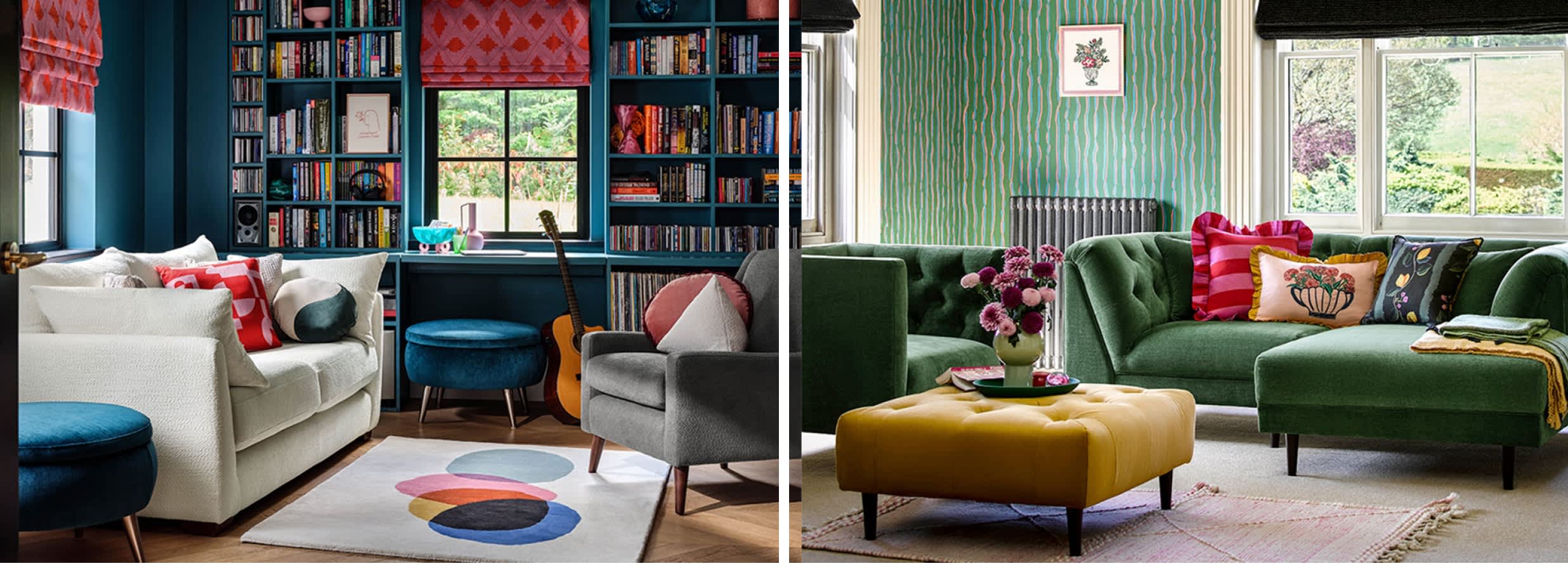
Large Family Spaces
In a spacious square or rectangular open-plan room, it’s usually easier to establish clear zones. Once you’ve decided where the kitchen will go, position the dining area nearby, then create a natural route through to the living space.
Consider sightlines between the different areas. You may want to be able to see the sofa from the kitchen so you can keep an eye on children or chat with guests. Low-backed sofas are particularly useful here, as they provide comfortable seating without obstructing the view.
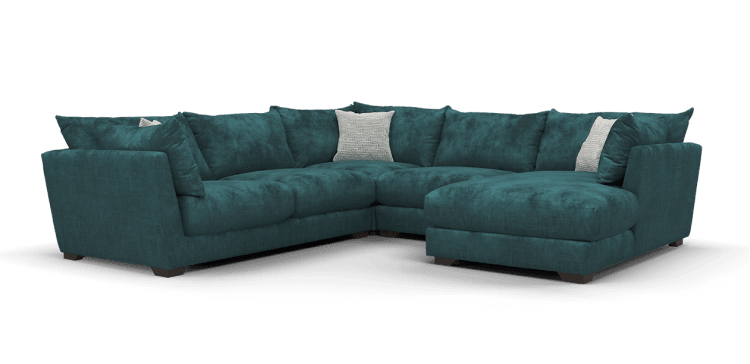
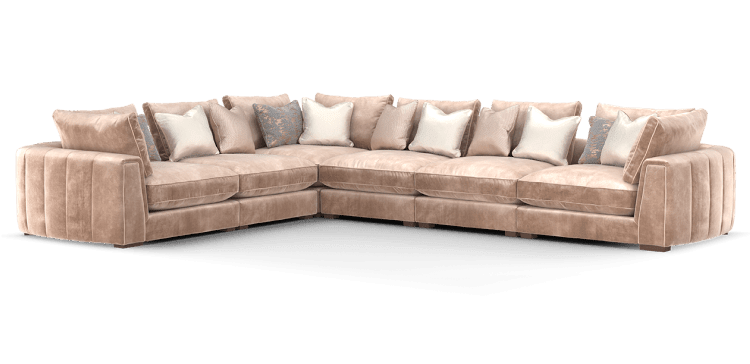
Large corner, chaise or sectional sofas such as the Emperor or Tallulah are ideal for relaxed family living, offering plenty of seating. For added flexibility, consider a storage footstool that can be moved around the room and used as a coffee table for movie-night snacks. A modular console can also provide useful storage and display space.
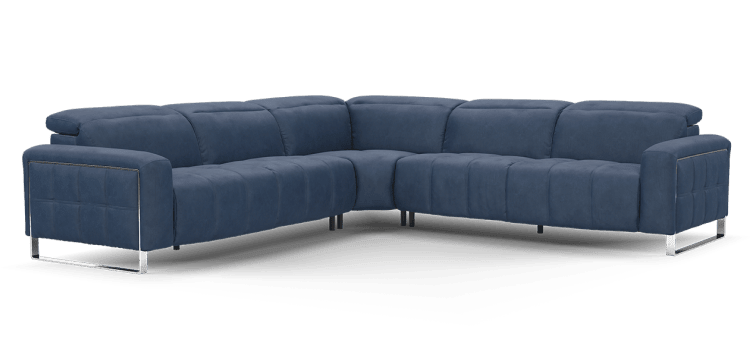
For extra comfort and functionality, a recliner sofa such as the Marvella is another option.
When positioning a corner sofa, either face it towards a focal point such as the TV, fireplace or bookshelf, or place it in a corner so that it faces towards the other areas of the room. Adding a rug can help define the living zone and make it feel more distinct.
If you enjoy entertaining but don’t want the TV to dominate the room, try placing two sofas opposite each other with a coffee table between them. This creates a more formal yet sociable arrangement. A traditional sofa style such as the Bridgerton can work particularly well.
Long, Narrow Rooms
Long, narrow layouts are common in extended terraced homes, where the width of the property is limited. Typically, the kitchen and dining areas sit towards the back, with the living area at the front.
Avoid placing the sofa across the width of the room, as this can interrupt the flow and restrict sightlines. Instead, define the living area with a large sofa positioned parallel to the wall.
If you need additional seating, consider a low-backed sofa or a cosy armchair such as the Hygge beneath a window.
If there’s enough room for a sofa towards the back of the house, use the same zoning and sightline principles to separate the kitchen, dining and living areas. Often, the most effective layout places the kitchen and living areas at opposite ends, with the dining table positioned between them.
Sofas for Small Kitchen-Diners
A small room doesn’t mean you have to sacrifice a comfortable sofa. Creating a cosy seating nook can provide useful additional seating while also adding a stylish focal point.
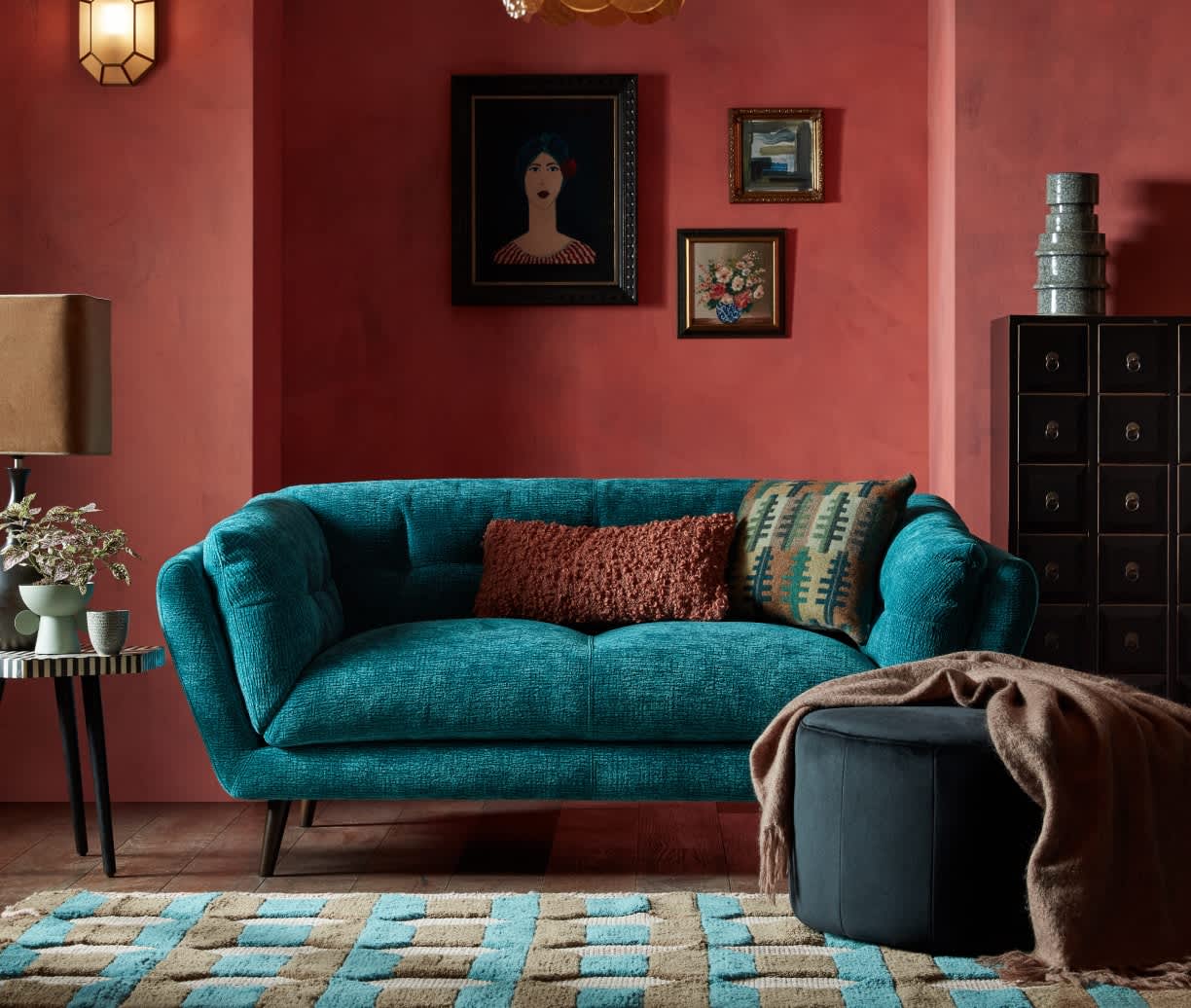
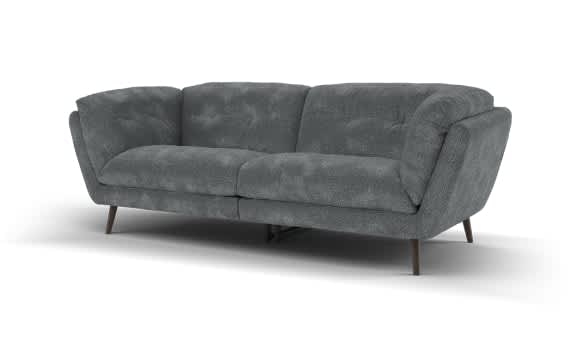
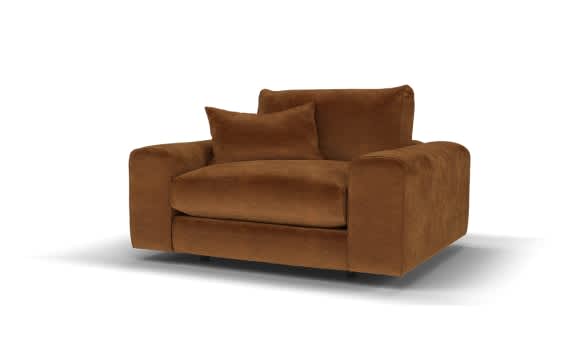
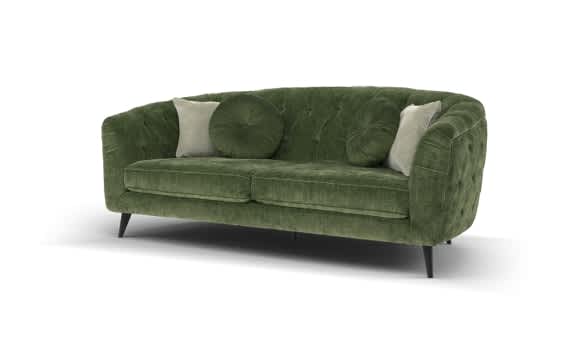
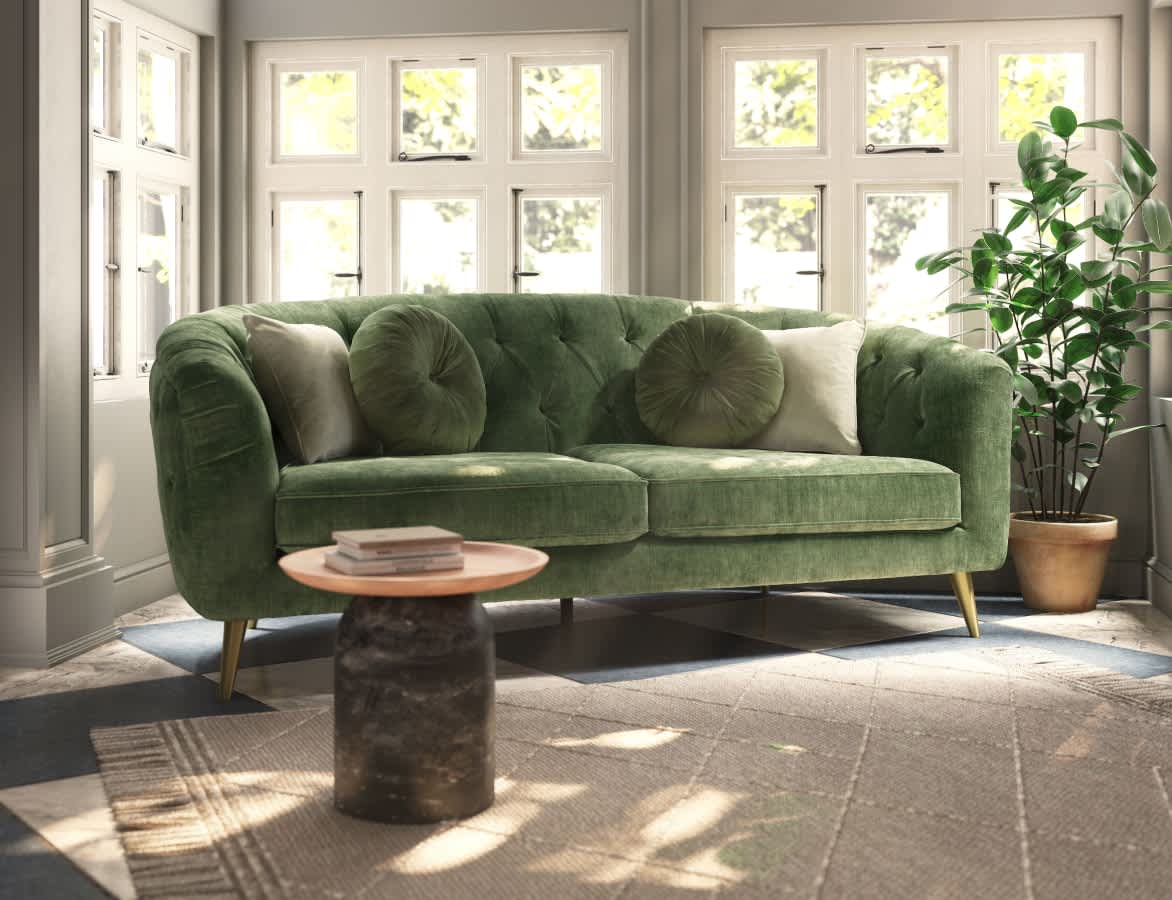
Try placing a compact sofa such as The Gatsby in an alcove, against the back of a peninsula or in a corner overlooking the garden. For a more compact statement seat, a loveseat such as The Sterling is ideal for solo lounging.
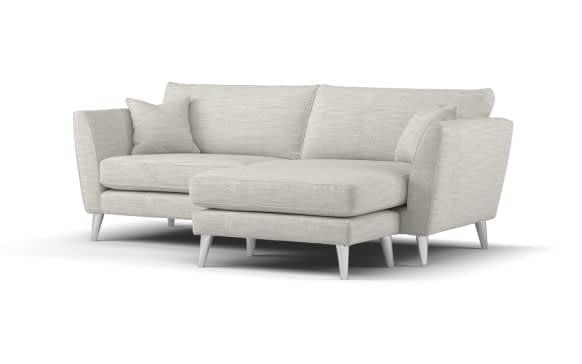
You could also replace a traditional dining table with a breakfast bar, freeing up space for a sofa. Compact chaise sofas such as the Keswick chaise provide comfortable seating without taking up too much floor space.
Choosing a sofa with high-set legs can also make a compact room feel more spacious. As an added benefit, the extra clearance makes cleaning underneath easier.
L-Shaped Rooms
An L-shaped room can be perfect for creating a cosy snug. The key is to make the space feel welcoming without completely separating it from the kitchen and dining areas. Avoid positioning the sofa with its back towards the rest of the room, as this can make the living area feel disconnected.
Instead, make use of the walls and position two sofas in an L-shaped arrangement. They don’t have to match, and using different styles can add character while giving you greater flexibility.
A corner or chaise sofa can achieve a similar effect, but two individual sofas may offer more freedom when arranging the room. Try not to position a sofa across patio doors, as this can restrict access and block natural light.
If there isn’t enough room for multiple sofas, choose a three- or four-seat sofa and pair it with an occasional chair to create a flexible and inviting seating area.


