


In a world that can often feel busy, noisy, and cluttered, the appeal of a calm, thoughtfully designed home has never been greater. A minimalist living room can provide exactly that sense of peace. By removing unnecessary distractions and focusing on simplicity, you can create more than a stylish interior—you can create a personal sanctuary.
But minimalism doesn’t have to mean cold, sparse, or impersonal. The best minimalist living room ideas combine simplicity with warmth, creating a space that feels comfortable and welcoming without being overcrowded.
For Laurenne Bailey, Senior Buyer at Sofology, minimalist living room design is all about embracing simplicity while keeping the things that matter. “It’s not about getting rid of all colour and accessories,” she explains, “but about curating a space with pieces you actually love and use. This approach creates a sense of order that makes a lounge feel like a safe haven for you.”
If you’re ready to embrace a more intentional approach to your home, these six ideas will help you create a modern minimalist living room that feels peaceful, stylish, and inviting.
1. Start with a Neutral Colour Palette
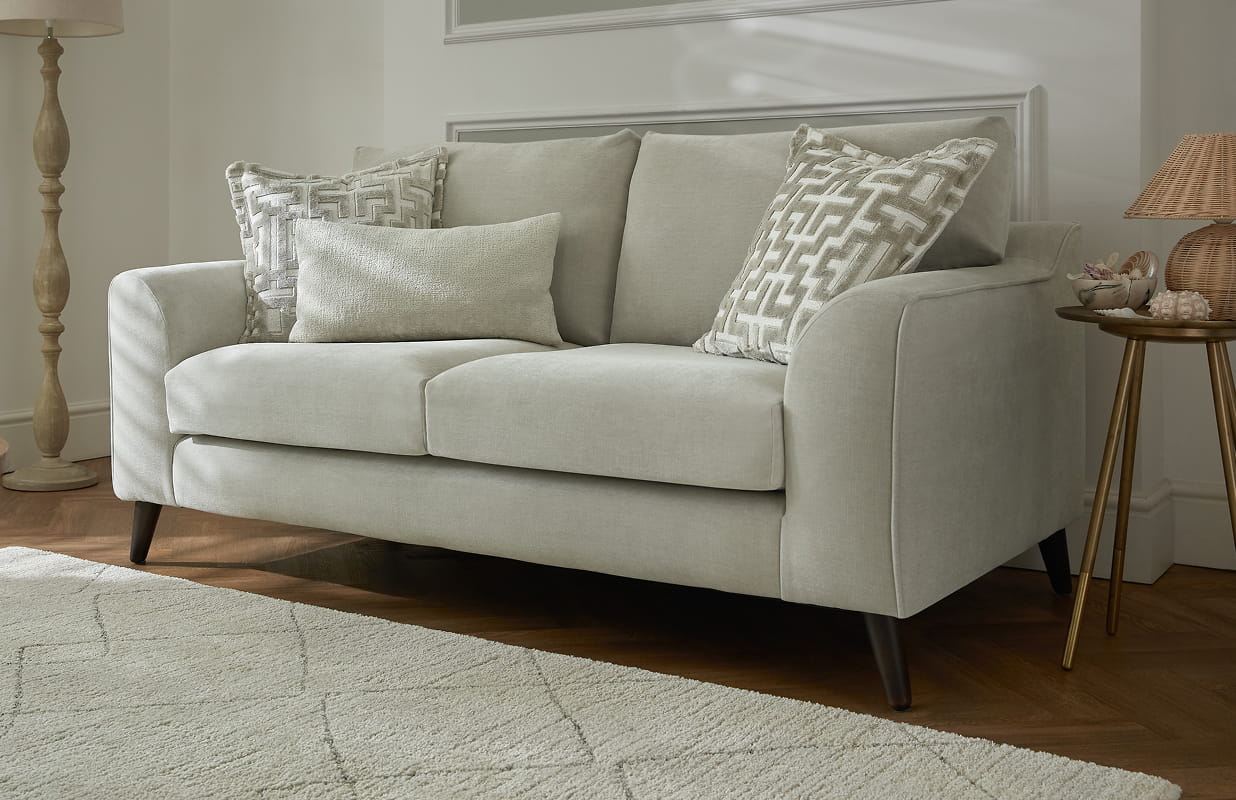
A neutral colour palette is the perfect foundation for minimalist living room design. Shades such as warm white, soft beige, pale grey, and muted earthy tones create a calm backdrop while helping the room feel brighter and more spacious.
Use these tones across your walls, flooring, and larger furniture pieces to create a cohesive look. A cream or oatmeal-coloured fabric sofa, for example, can provide a soft, inviting centrepiece while helping to tie the rest of the room together.
“Choosing your core neutrals is the most important first step. Warm neutrals like oatmeal or beige bring an instant sense of comfort, creating a cosy minimalist living room. Cooler greys and whites offer a crisp, more architectural feel. The key is consistency; a unified palette helps the entire room feel peaceful and put-together.”
Laurenne Bailey, Senior Buyer at Sofology
2. Choose Furniture with Clean, Simple Lines
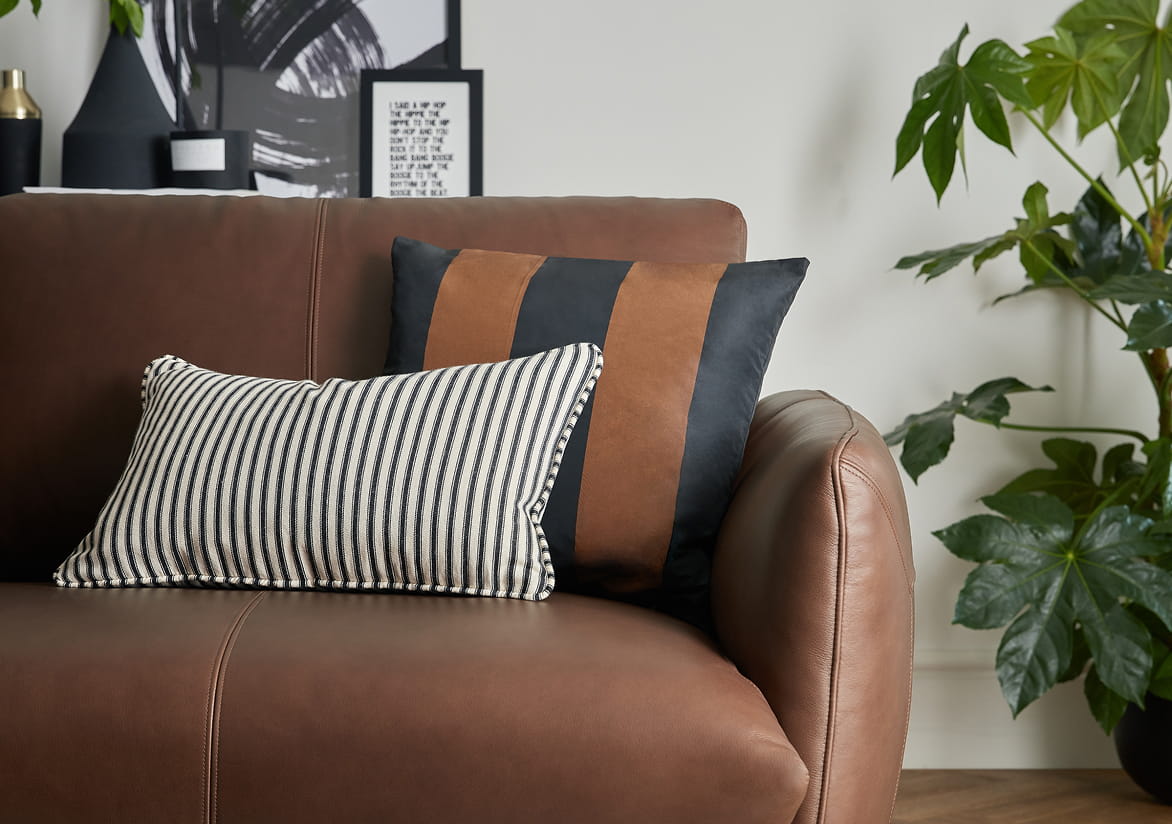
Furniture plays an important role in creating a successful minimalist living room. Look for pieces with simple silhouettes, clean lines, and minimal decorative detailing. Ideally, furniture should feel functional and understated, complementing the room rather than overwhelming it.
For smaller living rooms, sofas with slim arms, low-profile backs, and raised legs can help create a greater sense of floor space. This streamlined approach also works particularly well with Scandinavian-inspired interiors, making it an easy way to introduce a subtle Nordic influence.
Keep the shapes simple, but introduce variation through materials and finishes. A sleek leather sofa can bring sophistication, while a solid-colour chenille armchair can add softness and comfort.
3. Declutter with Smart Storage
At its heart, minimalism is about living with less. That doesn’t mean removing everything from your home—it means being more intentional about what you choose to keep.
A modern minimalist living room should feel free from unnecessary clutter, creating a calmer and more restful environment. Take time to assess your belongings and keep the things that are useful, essential, or genuinely meaningful to you.
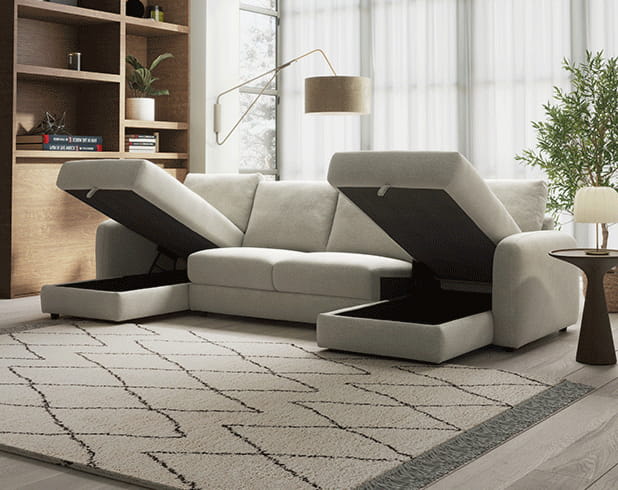
Smart storage can make it much easier to maintain this sense of order. Consider a footstool with concealed storage, a streamlined sideboard with handleless doors, or a media unit that hides electronics and cables. Giving everything a designated place helps keep surfaces clear and preserves the open, uncluttered feel that defines minimalist interiors.
“Decluttering isn't a one-time task; it's a continuous practice of intentional living. The aim is to create visual silence in a room. When your surfaces are clear and your possessions are mindfully stored, the space itself feels so much calmer, which in turn helps you feel more relaxed and focused at home.”
Medina Adam, Buyer at Sofology
4. Add Warmth with Layered Textures
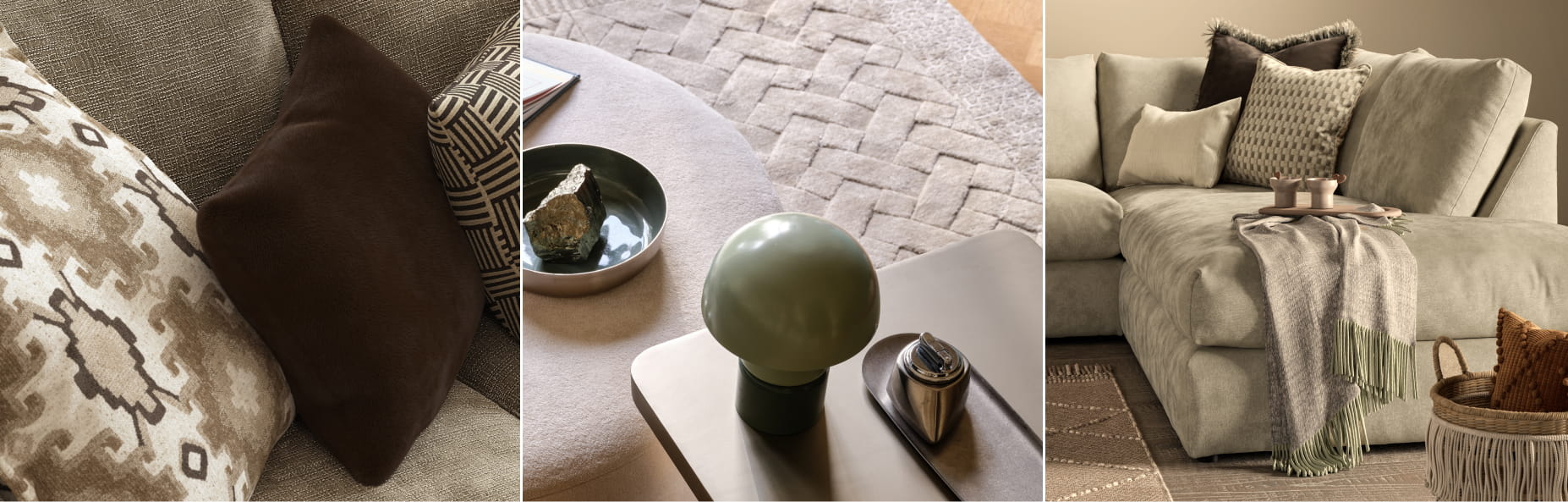
One common misconception about minimalism is that it can feel cold or sterile. The secret to creating a cosy minimalist living room is to introduce plenty of texture.
Layering different materials adds depth and warmth without making the room feel visually busy. Keep the colour scheme simple, then create interest through contrasting textures and finishes.
Try pairing a plush rug with wooden flooring, linen cushions with a fabric sofa, or a chunky throw with a comfortable corner sofa. Natural materials and decorative touches, such as a ceramic vase or stone coaster, can also add subtle character.
These small details help prevent the room from feeling flat while giving it the understated, comfortable quality that makes minimalist interiors so appealing.
5. Prioritise Quality Over Quantity
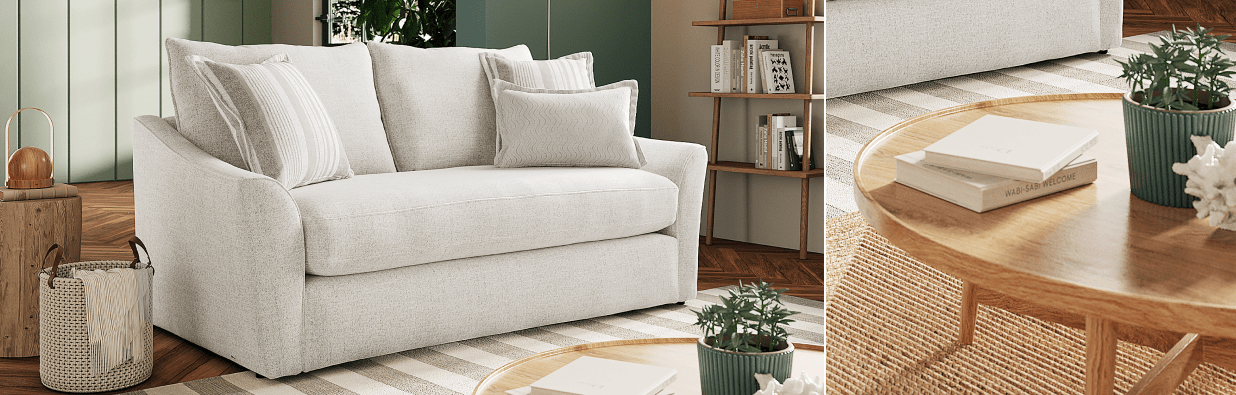
The minimalist principle of “less is more” is especially relevant when choosing furniture and accessories. Rather than filling the room with lots of inexpensive pieces, consider investing in fewer, better-quality items that are designed to last.
A well-made sofa, solid wood coffee table, or timeless accent chair can add a sense of luxury while remaining practical and durable. The same approach can be applied to accessories. One carefully chosen statement lamp, for instance, can have far more impact than several smaller decorative pieces.
Choosing quality over quantity also makes your living room feel more personal. Each item has a purpose and has been selected because you genuinely value it, rather than simply filling an empty space.
“In a minimalist living room, furniture carries more visual weight, so it’s worth prioritising quality. A well-made sofa or statement chair can anchor the entire space, allowing the rest of the room to remain simple and uncluttered while still feeling inviting.”
Julia Bilotta, Creative Stylist at Sofology
6. Make Lighting a Focal Point
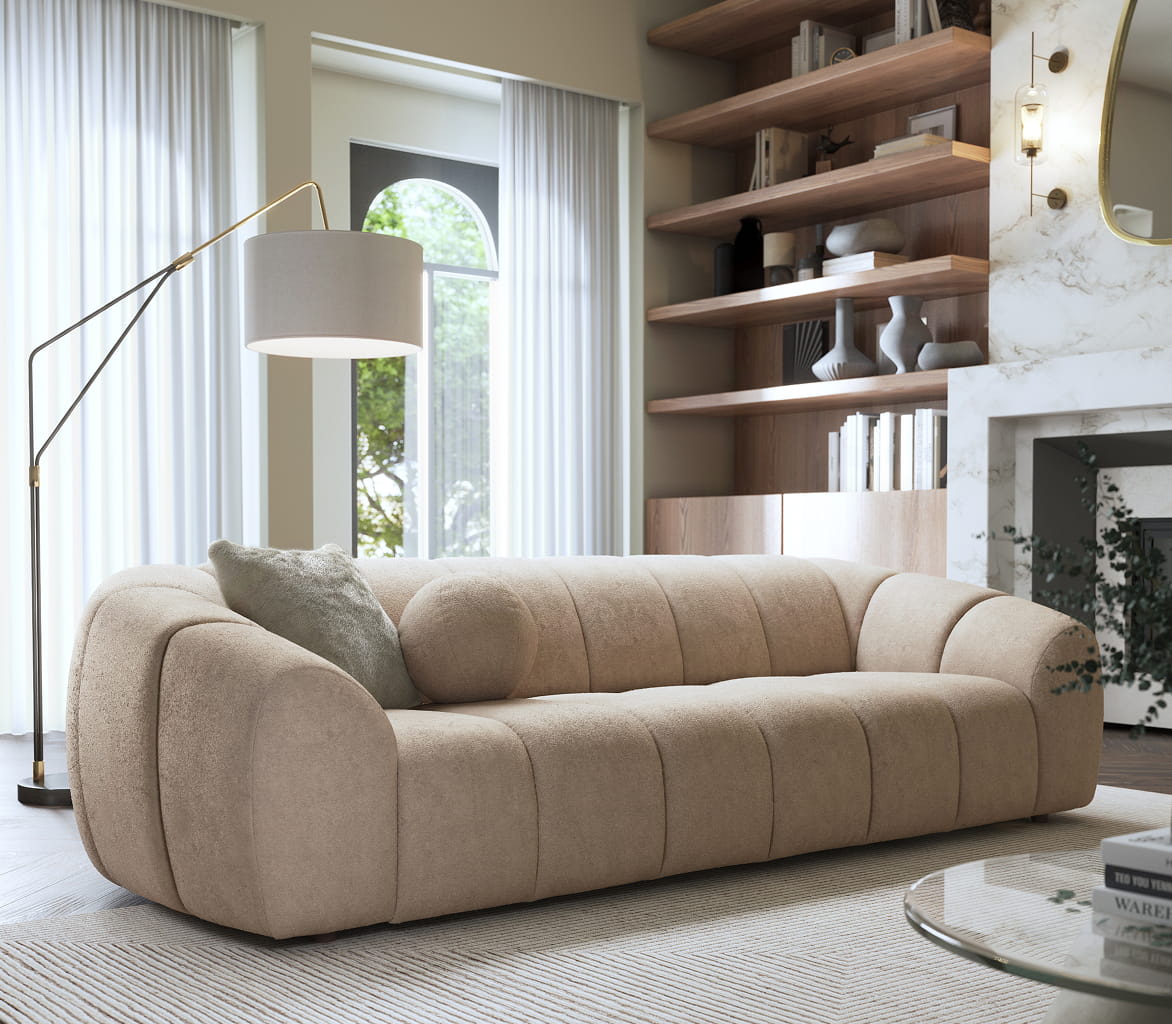
Lighting can transform any interior, but it is particularly important in minimalist living rooms. The right lighting scheme can make the space feel larger, warmer, and more welcoming.
Start by making the most of natural daylight. Keep windows as unobstructed as possible and opt for lightweight, sheer curtains that allow sunlight to filter through.
For artificial lighting, choose fixtures that combine function with visual appeal. An elegant arc floor lamp, simple wall sconces, or a sculptural pendant can become a focal point without disrupting the clean aesthetic.
Warm-toned bulbs are particularly effective in minimalist spaces. They create a soft, inviting glow in the evening and help prevent a pared-back interior from feeling too stark or clinical.
“Lighting is often the quiet hero of minimalist interiors. When you reduce visual clutter, every element carries more weight, and lighting becomes both functional and expressive. Go for warm lighting and maximise natural daylight, and even the most pared-back living space will feel inviting rather than stark.”
Medina Adam, Buyer at Sofology


